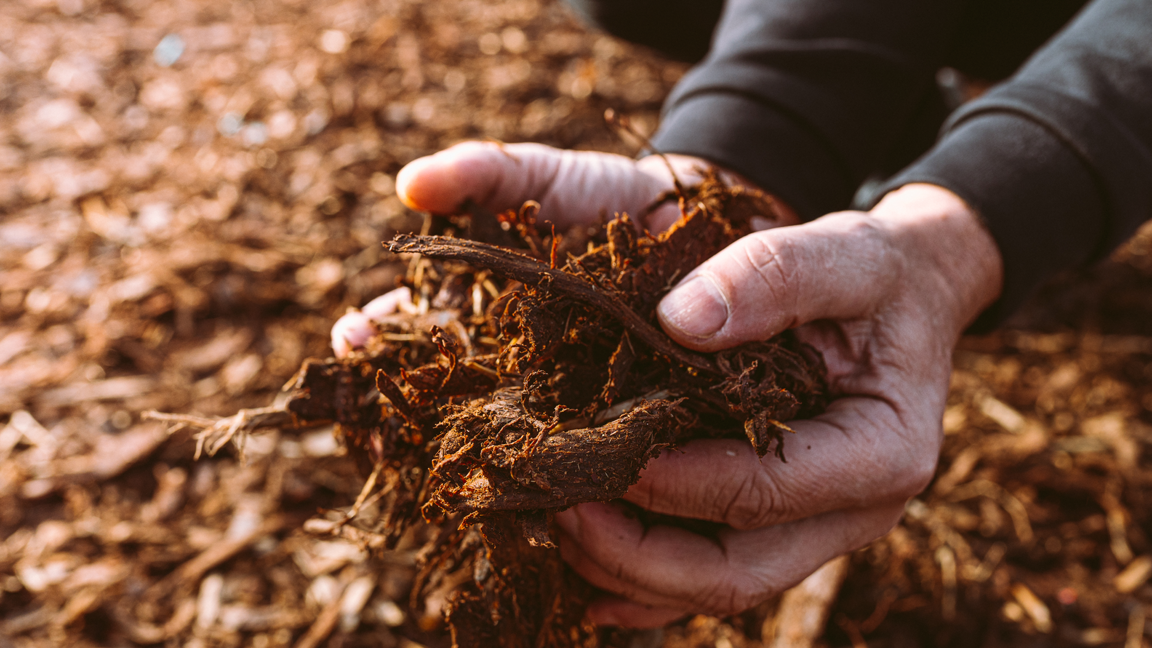
Every autumn we get the same “problem”, piles of fallen leaves. The truth is, it’s not waste, it’s free garden gold. Used properly, it saves water, improves your soil, and cuts down on garden refuse.
Let’s break it down simply.
What mulch is, and why it matters
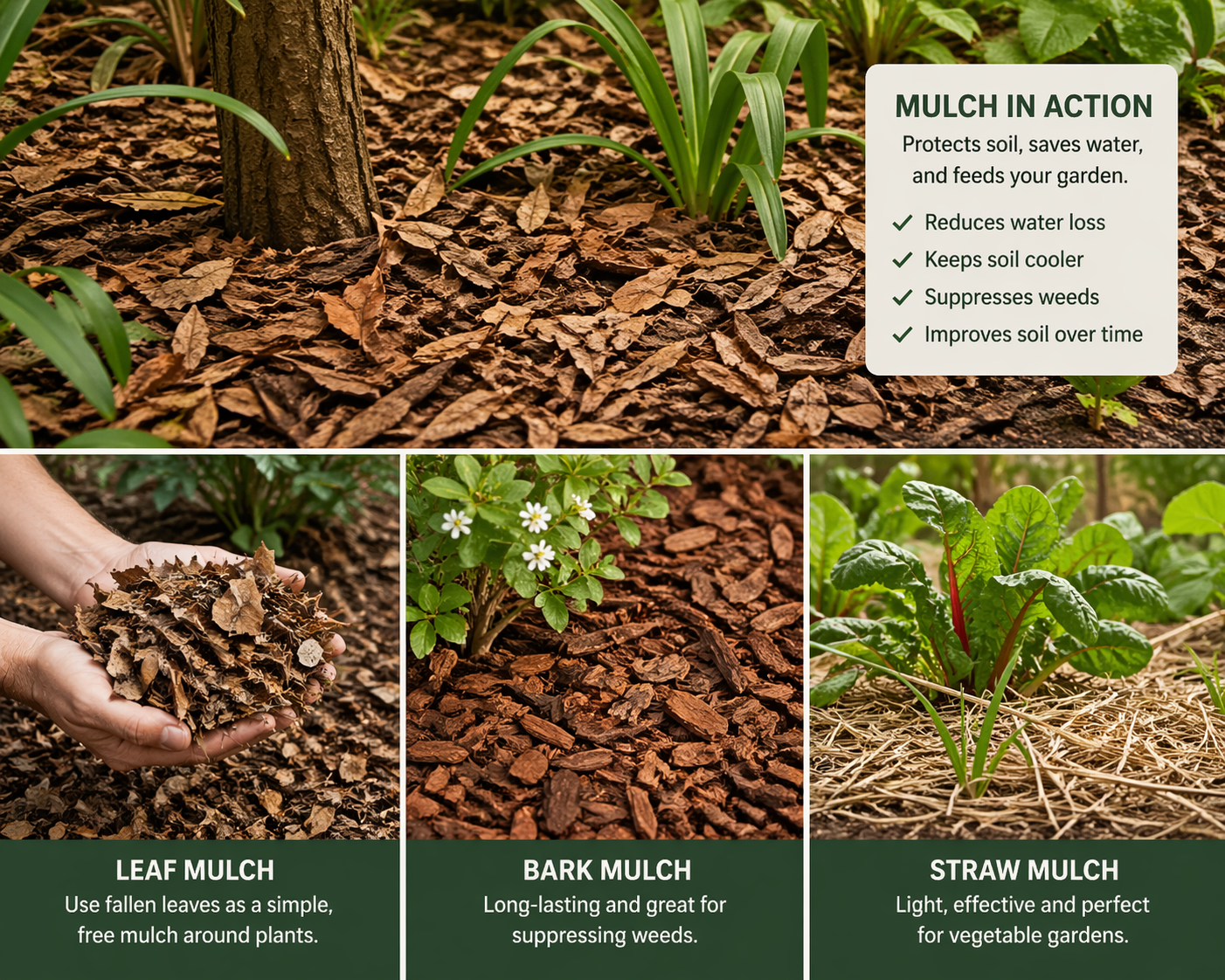
Mulch is any material you spread over the soil surface.
Done properly, it:
- Reduces water loss by keeping moisture in the soil
- Keeps roots cooler in summer and warmer in winter
- Suppresses weeds
- Improves soil over time
In a place like Johannesburg, where water is always a concern, mulch is one of the easiest ways to reduce how often you need to irrigate.
Organic vs inorganic mulch
Organic mulch (best for most gardens):
- Leaves, grass clippings, bark, compost
- Breaks down over time and feeds the soil
Inorganic mulch:
- Stones, gravel, plastic sheeting
- Doesn’t break down, mainly used for decoration or weed control
For most homes in CraigPark, organic mulch is the obvious winner. You already have it falling into your garden.
What compost is (and how it differs from mulch)
Compost is decomposed organic material. Think of it as “finished” plant food.
- It’s made by mixing green waste (grass, kitchen scraps) and brown waste (dry leaves)
- It breaks down into a dark, crumbly, soil-like material
- It’s mixed into soil to improve structure and nutrients
Key difference:
- Mulch sits on top of the soil
- Compost goes into the soil
What leaf mould is (and how it differs from compost)
Leaf mould is what you get when leaves break down on their own over time.
- Made mostly from fallen leaves only
- Takes longer than compost, often 6–12 months
- Becomes soft, dark, and crumbly
- Compared to compost:
Compost is nutrient-rich and fast
- Leaf mould is excellent for improving soil structure and water retention
- Think of leaf mould as a sponge for your soil, it helps hold moisture where plants need it.
Easy ways to use autumn leaves at home
You don’t need fancy systems. Keep it simple.
Use leaves as instant mulch
- Rake leaves and spread them around trees, beds, and shrubs
- Keep them a few centimetres away from stems
- Water lightly to settle them
Make a basic compost pile
- Mix leaves with grass clippings and kitchen scraps
- Keep it slightly moist, not soaking
- Turn it every few weeks if you can
Create leaf mould with zero effort
- Pile leaves in a corner or put them in black bags
- Add a bit of water
- Leave them alone for months
Shred for faster results
- Run over leaves with a lawnmower
- Smaller pieces break down quicker
A firm word on stormwater drains
Sweeping leaves into stormwater drains is not a solution, it’s a problem.
It leads to:
- Blocked drains and localised flooding
- Polluted water entering rivers and dams
- Increased municipal maintenance costs, which affects everyone
Stormwater systems are not designed to handle garden waste. What goes into the drain does not disappear, it ends up downstream causing damage.
If you have leaves, use them in your garden or bag them properly for collection. Don’t push the problem into the street.
Bottom line
Those piles of leaves are not rubbish. They’re free mulch, future compost, and a simple way to save water and improve your garden.
Use them wisely, and your garden will thank you for it.