
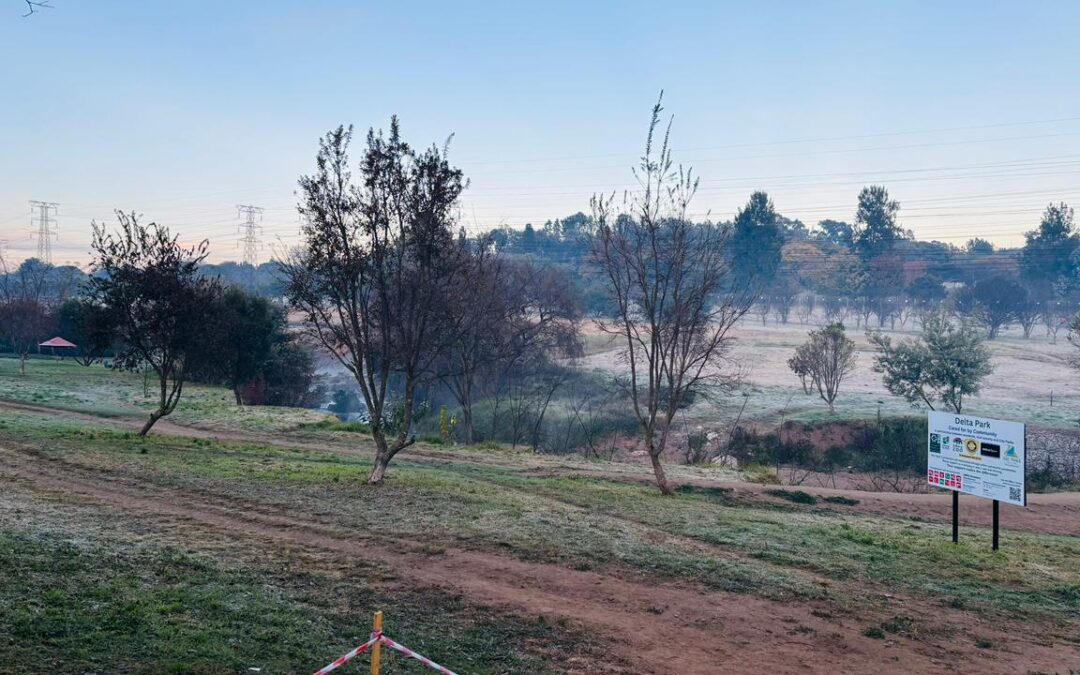
Autumn has properly arrived in our neighbourhood. The mornings are cooler, the light is softer, and our parks, pavements and tree-lined streets are beginning to show the beautiful seasonal colours that make this part of Johannesburg feel so special.
This is also the time of year when the small details of suburb life become more visible: verges, stormwater drains, walkways, parks, trees, road surfaces, pavements and public spaces. Some are looking beautiful. Some need attention. All of them matter.
May has again been a full month for the CRA. Much of the work has happened quietly in the background: town-planning monitoring, public-participation submissions, resident guidance, website improvements, service-delivery escalation, support for clean-ups, and work on our membership systems.
The common thread is simple: small things matter. Good suburbs do not stay good by accident. They stay good because residents notice, participate, contribute and care about the spaces we share.
Small Things Matter: Why Visible Care Protects a Suburb
Johannesburg is under real strain. Residents see it every day: failing roads, broken streetlights, sewage leaks, damaged pavements, illegal dumping, unmanaged public spaces, slow municipal response times and by-law enforcement that is often absent or inconsistent. Our suburbs are not separate from this reality. Craighall Park, Craighall and Dunkeld West are part of Johannesburg, and we experience many of the same municipal failures as everyone else. The difference is that, in our area, residents and CRA are still actively pushing back against decline. That is one of the reasons people choose to live here.
Our suburbs are not perfect. But they remain cleaner, greener, more organised and more liveable than many parts of the city. That does not happen by accident. It happens because residents care, because issues are reported, because public spaces are watched, because unlawful uses are challenged, because town-planning applications are scrutinised, and because CRA has the support to intervene where the City does not.
This is where the “broken windows” idea is useful. The principle is that visible signs of neglect, if left unresolved, send a message that nobody is watching and nobody cares. In a suburb, that does not only mean literal broken windows. It can be litter left uncollected, dumping that stays in place, broken signs, potholes, overgrown verges, vandalised infrastructure, unmanaged parks, unsafe corners, neglected walkways or unlawful uses that continue unchecked.
Left alone, these issues can start to change how people use and feel about a place. Residents become less willing to walk, report problems, use public spaces, invest in their properties or take pride in the neighbourhood. Visible neglect often attracts further neglect.
CRA’s work is about interrupting that pattern early. If a walkway is neglected, it can quickly become unsafe and unattractive. If dumping is not removed, more dumping follows. If a park edge is unmanaged, it becomes less usable. If an unlawful land use is ignored, it becomes harder to reverse. If residents do not participate in town-planning processes, inappropriate rights may be granted without proper community scrutiny.
When residents contribute their after-tax rands to CRA, they are not paying for something abstract. They are helping fund the practical work that keeps small problems from becoming bigger ones. That includes town-planning oversight, public-participation work, professional input, service-delivery escalation, resident guidance, website systems, clean-up coordination, communication channels and visible improvement of shared spaces.
The Lion Lane project is one example. So is the regular work done by Bubele Africa across the area. Clean-ups, clearing, maintenance support and visible improvement of public spaces may look small on their own, but together they change the signal of a place.
A cleaned verge, a cleared walkway, a planted corner, a maintained park edge, a litter-free public space and a responsive community all say the same thing: This place is cared for. CRA cannot fix Johannesburg. We cannot replace the City. We cannot solve every road, sewer, stormwater, safety or enforcement failure. But we can help stop decline from becoming normal in our suburbs. That is why membership matters. It gives CRA the resources to act early, organise properly, obtain professional input where needed, support public participation, and fund the visible care that helps keep an area liveable.
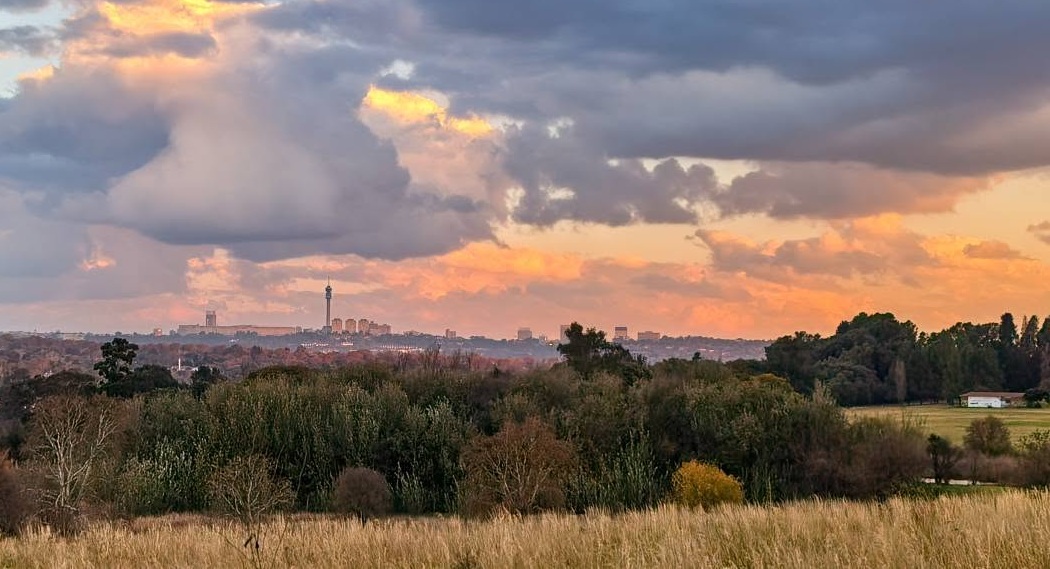
Town Planning: The Quiet Work That Protects the Suburb
Town planning is one of the most important, and most underestimated areas of CRA’s work.
Over the past year, CRA has published guidance on 10 town-planning applications on our website. Before that process was formalised, CRA had already dealt with at least 10 further identifiable planning and land-use matters. In other words, CRA has handled at least 20 town-planning and land-use matters in recent times.
That is a substantial amount of work for a volunteer residents’ association.
CRA’s process is proactive. We do not simply wait for residents to notice a white notice on a gate. Our consulting town planner monitors the relevant Provincial Gazettes for applications affecting Craighall Park, Craighall and Dunkeld West. When a relevant application is identified, CRA obtains or reviews the available documentation, considers what rights are being requested, assesses the likely impact on surrounding residents and the suburb, and decides what level of response is required.
Where an application raises legitimate planning concerns, CRA may publish a guidance note on the town-planning section of our website, notify residents through appropriate community channels, engage directly with affected residents or street groups, and obtain further input from our consulting town planner.
For significant matters, CRA may also support dedicated application-specific groups, appoint professional planning assistance, submit an objection, or help residents understand how to object in their own names. This takes real time and money.
On average, each application costs CRA approximately two hours of committee time, plus the cost of professional town-planning input where required. In addition, CRA committee members have spent approximately 20 volunteer hours over the past year developing and refining our town-planning guidelines, website notices and internal review process. This work matters because town-planning decisions are cumulative.
One rezoning may not change a street overnight. One consent-use approval may seem manageable. One relaxation, one title-condition removal, one business-use application or one higher-density proposal may appear isolated. But over time, repeated approvals can change the character of an area permanently.
When town-planning issues are ignored, residential streets can slowly become business corridors. Parking spills onto pavements and verges. Traffic increases at unsuitable access points. Noise, deliveries, refuse, lighting and operating hours begin affecting neighbours. Sewer, stormwater and road infrastructure come under pressure. Unlawful land uses become harder to reverse. Mature trees and streetscape character are lost one property at a time.
There is also a broader lesson from many parts of Johannesburg and Gauteng: where communities are not organised, planning decisions can happen almost by default.
This is not always because a proposal is unlawful or because every developer is acting badly. Often the issue is simpler: residents do not see the notice in time, do not understand what rights are being requested, do not know how to object, cannot access the full application, or cannot afford professional town-planning input. Developers and applicants then operate in an environment where there is very little informed public participation.
Over time, the result can be significant. Residential areas change character, traffic and parking pressure increase, infrastructure is stretched, unlawful uses become normalised, and residents only realise the impact once the rights have already been granted or the development is already underway.
That is why CRA’s structured town-planning process is so important.
We are fortunate that our residents do participate. They notice applications, join meetings, ask questions, submit objections where appropriate, contribute information, and support professional input when it is needed. That level of resident involvement is encouraging, and it is one of the reasons our suburbs still have a strong civic voice.
CRA is not anti-development. Johannesburg is a living city, and appropriate investment should be welcomed. But development must be lawful, properly motivated, context-sensitive and fair to surrounding residents.
The key planning questions are usually simple:
- Does the application demonstrate a genuine planning need?
- Is the proposed use desirable in its specific context?
- Does it serve the public interest?
- Can the area’s roads, parking, sewer system, stormwater infrastructure and residential character reasonably accommodate it?
- What precedent will it create if approved?
The aim is not to oppose everything. The aim is to make sure that applications are properly tested, residents are not blindsided, and decisions affecting the suburb are made with informed community participation.
Town planning is not just paperwork. It is one of the ways a community protects its streets, its infrastructure, its property values and its future.
Lion Lane: A Small Walkway, A Big Community Win
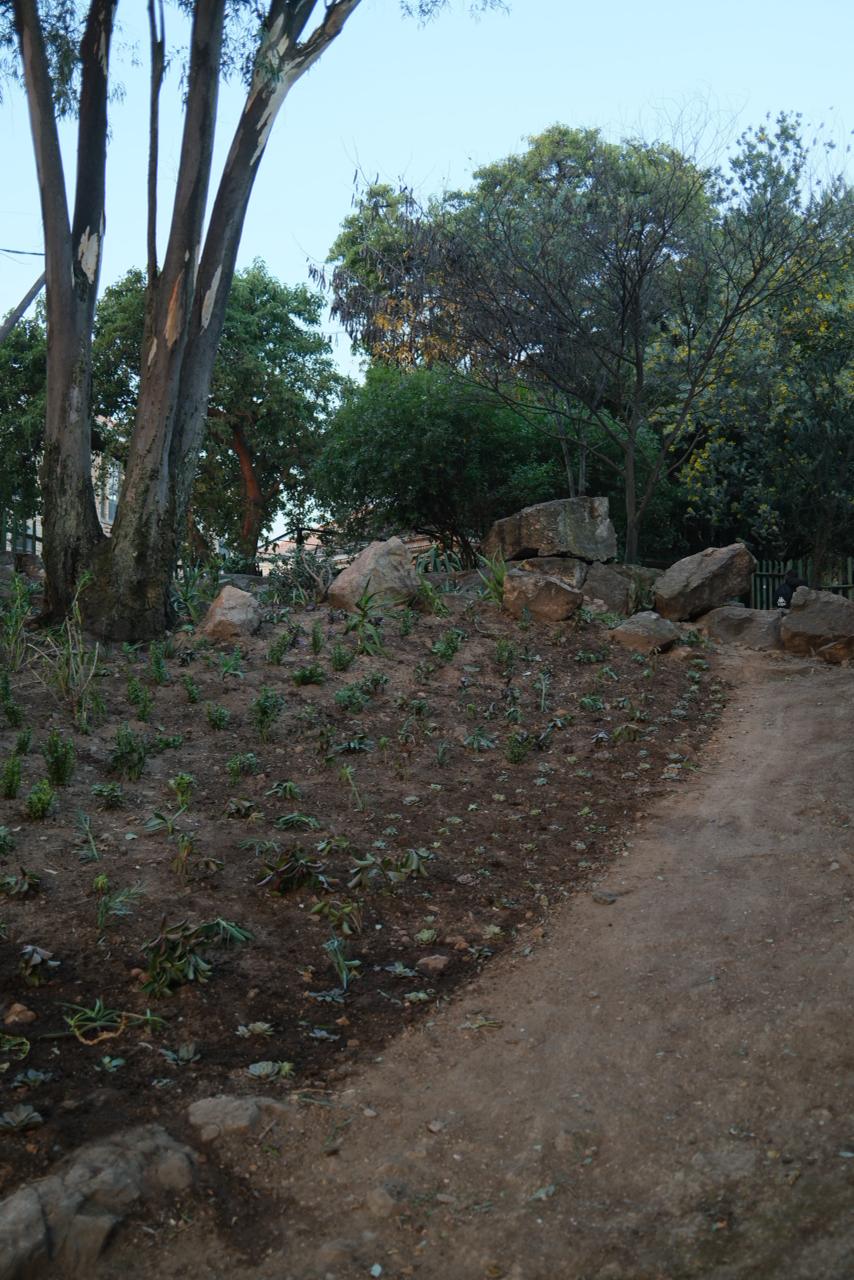
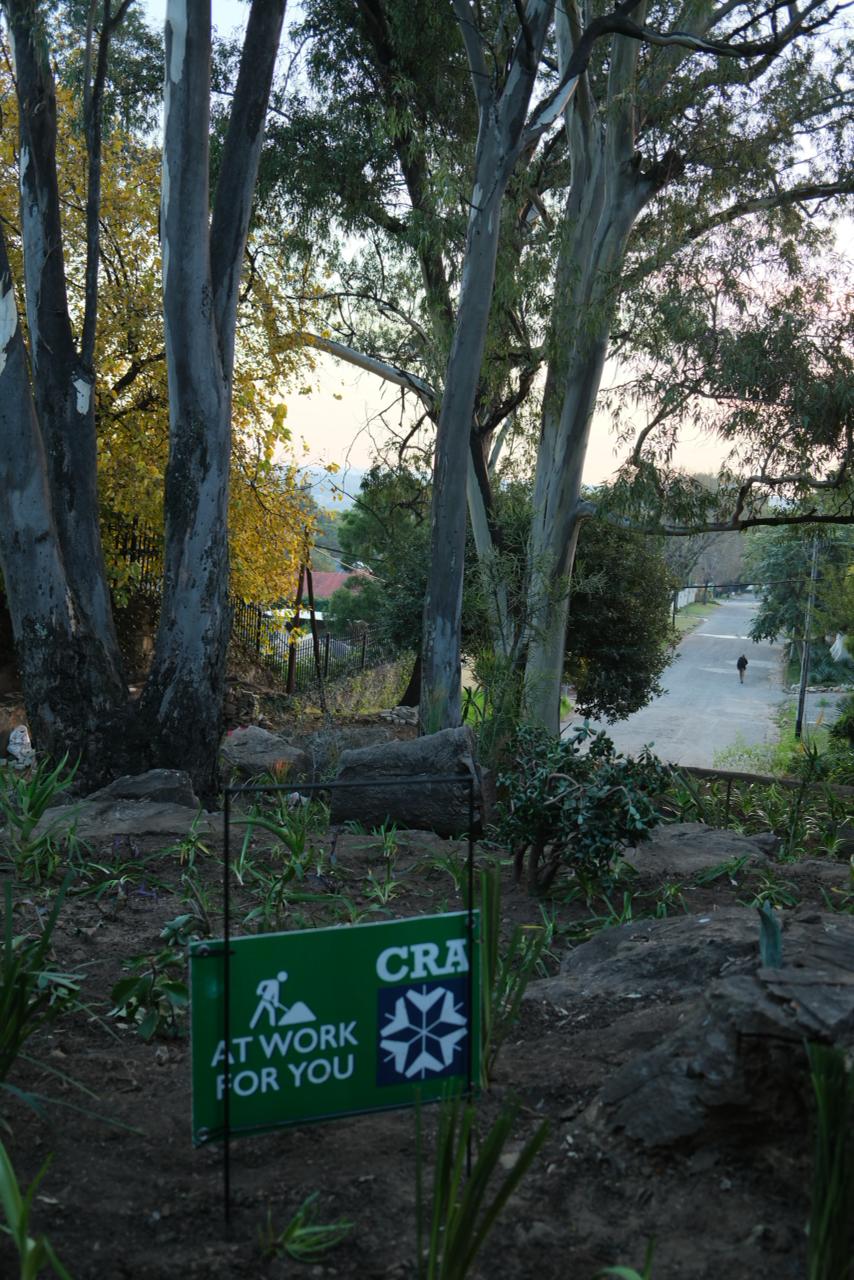
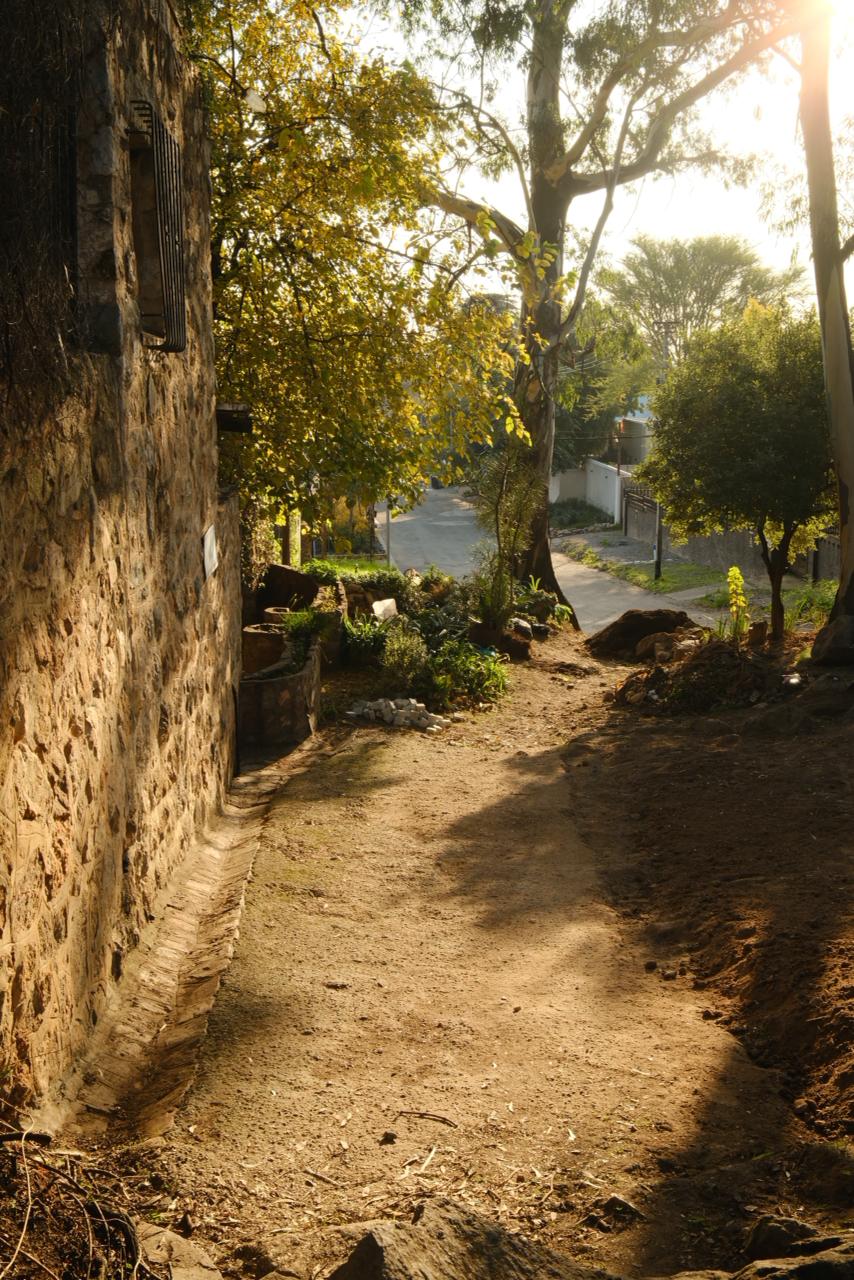
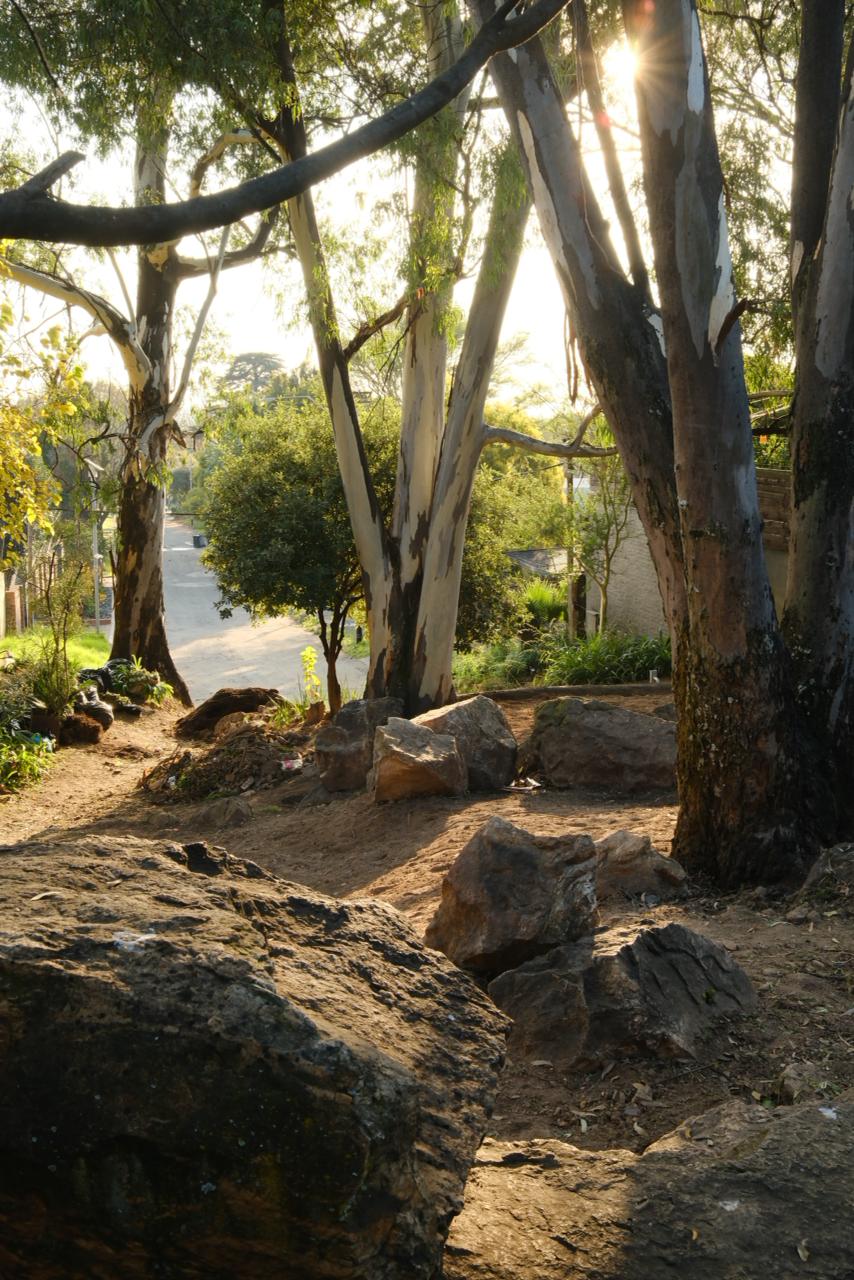
One of the most encouraging community projects this month has been the transformation of the Beaufort Avenue walkway, now proudly named Lion Lane.
Lion Lane is the pedestrian walkway and gate at the top of Beaufort Avenue, between Backpackers and 25 Beaufort Avenue, linking Beaufort Avenue and North Road.
Like many small public spaces in Johannesburg, it had become neglected over time. But instead of accepting that decline, residents stepped in.
The project was initially started by CRA and Bubele Africa, who assisted with the clean-up, rubble removal and soil preparation. The work was then completed in phases, with local residents leading the final planting and beautification stage. The result is looking fantastic.
The response from residents was genuinely heartening. Plants and materials were donated, including agapanthus, aloes, dietes, succulents, hardy ground cover and other suitable plants. What was once a tired and underused space is now cleaner, greener and more welcoming. Please do go and have a look when you are in the area.
This is exactly the kind of project that makes a suburb feel cared for. A clean, planted and well-maintained walkway is not just more attractive. It is safer, more inviting, and less likely to attract dumping, neglect or misuse.
Thank you to CRA, Bubele Africa, Levon Rivers, and the many local residents who donated plants, materials, time and energy to make the project happen.
Projects like Lion Lane are a practical example of the broken-windows principle in reverse. When residents clean, plant and care for a public space, it sends the right signal. It says the space matters, the community is watching, and neglect will not simply be accepted.
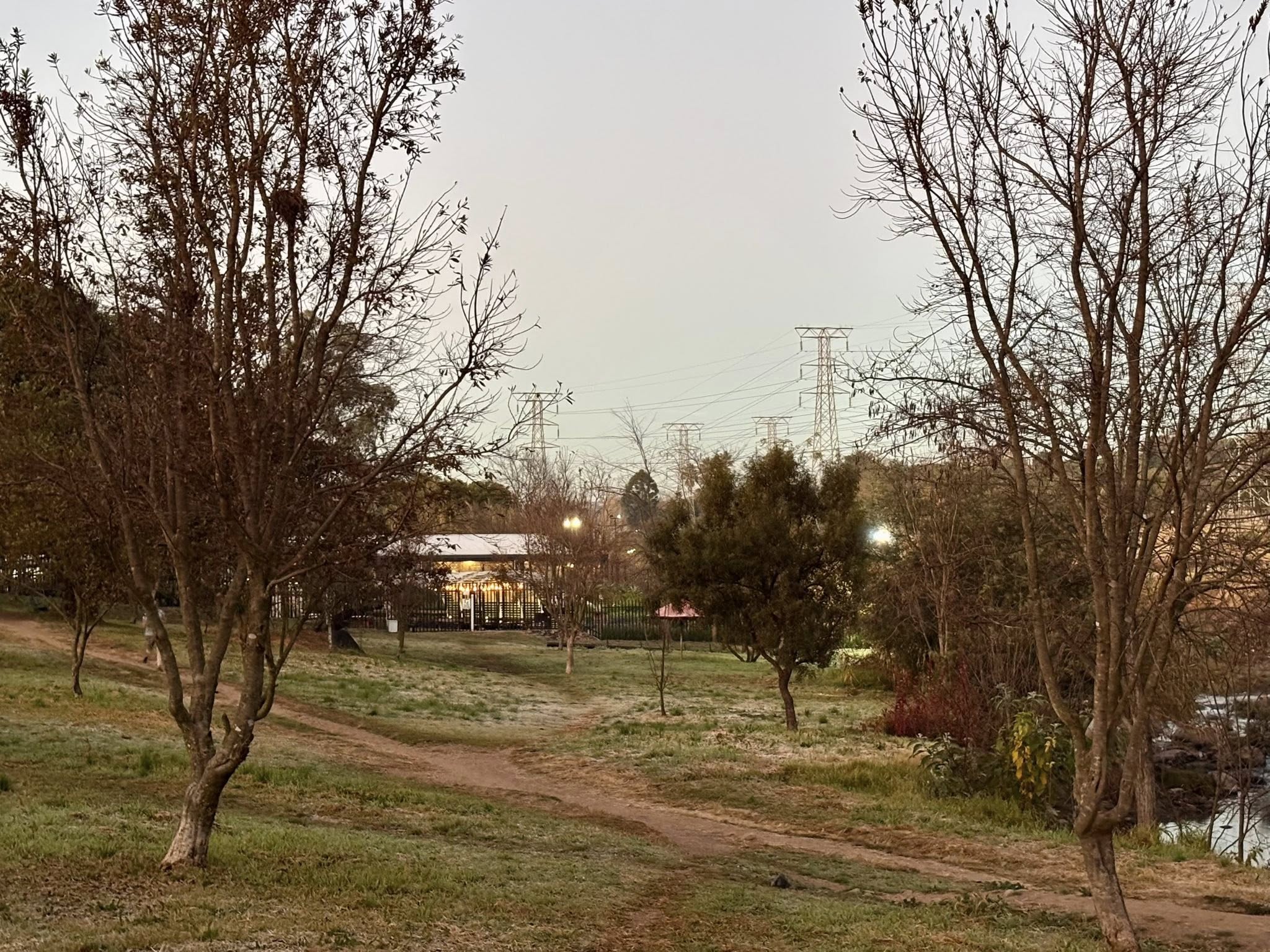
City Plans, Budget and the IDP: CRA Put Our Area on Record
During May, CRA made a formal submission to the City of Johannesburg on the Draft 2026/27 Integrated Development Plan, business plans, budget and tariffs. This is not the kind of work residents always see, but it matters.
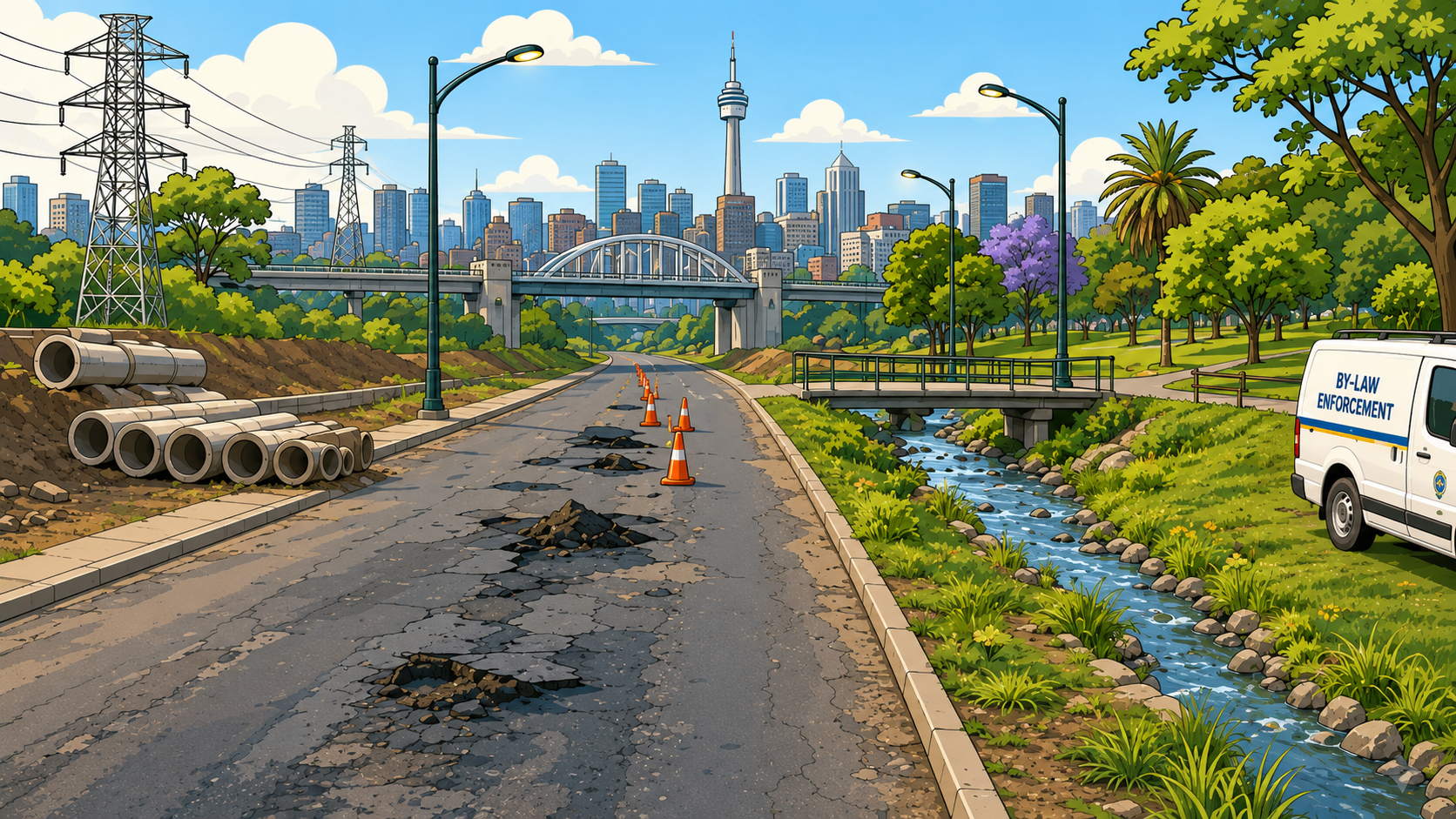
The IDP and budget process shapes what the City says it will prioritise, fund, repair and measure. It affects roads, stormwater, water and sewer infrastructure, parks, streetlights, electricity infrastructure, by-law enforcement, planning enforcement, public safety and the maintenance of green spaces.
CRA’s submission was constructive. We supported the City’s stated focus on restoring the basics, improving service delivery, strengthening infrastructure, enforcing the rule of law and working with active citizens.
But we also made a simple point: broad promises are not enough. Residents need to know what will be done locally, by which department, by when, with what budget, and against what service standard. CRA therefore asked the City for clearer Ward 90 and Region B implementation commitments, including proper reporting, escalation routes and measurable service-delivery targets. Our submission focused on practical issues affecting Craighall, Craighall Park, Dunkeld West and nearby public-space assets used by our residents, including:
- road deterioration, potholes and failed reinstatements;
- stormwater maintenance;
- water and sewer reliability;
- broken streetlights and public lighting upgrades;
- vulnerable electrical infrastructure and old transformer substations;
- illegal dumping and litter;
- weak by-law enforcement;
- land-use and planning enforcement;
- Delta Park, Hugh Wyndham Park, the Dunkeld Bowls Club precinct and the Braamfontein Spruit corridor;
- park safety, maintenance, alien invasive clearing and unlawful occupation;
- litter traps and upstream waste entering the Spruit system;
- the Blue Bridge, the Conrad Drive bridge and pedestrian connectivity;
- public-space security;
- the need for better JMPD complaint tracking and reference numbers; and
- a quarterly service-delivery accountability forum involving City entities, councillors and recognised residents’ associations.
A central theme of CRA’s submission was that community partnership must supplement municipal delivery, not replace it. Residents, volunteers, Bubele Africa, Friends of Delta, Jozi Trails, local businesses and other partners already contribute significant time, money and effort to public spaces and community infrastructure. That is valuable and should be supported. But the City must still lead, fund, maintain, enforce and coordinate.
CRA also made the point that established, rate-paying suburbs cannot be allowed to deteriorate while residents are asked to pay more each year. Fair development across Johannesburg is important, but the City must also reinvest in the infrastructure, roads, parks, lighting and services that support its existing revenue base.
In plain terms, CRA told the City: We support fixing Johannesburg, but the plans must translate into visible local delivery. CRA also made it easier for residents to participate by preparing a simple guide to help residents submit their own comments. Read the resident guide here: https://cra.org.za/what-needs-fixing-in-our-area/
Public participation is not glamorous work. It takes time to read the documents, understand the implications, draft submissions and put local concerns on record. But if communities do not participate, decisions are easier to make without them. CRA will continue to engage in these processes because our local voice must be present before decisions are final.
Civic Engagement in Ward 90
During May, residents had several opportunities to connect, participate and engage on matters affecting our neighbourhood and the wider City.
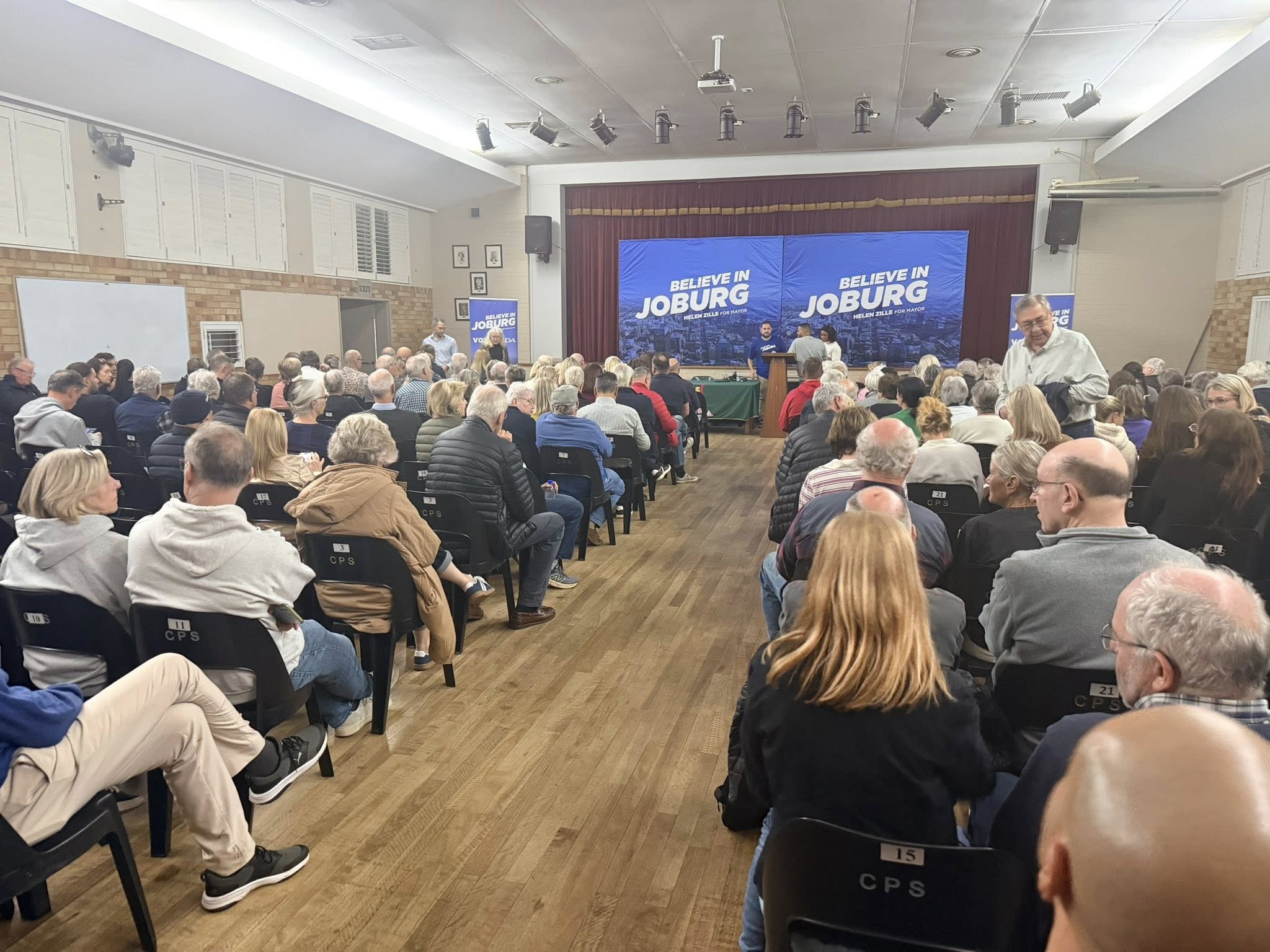
One of the key events was the Ward 90 Townhall Meeting with Helen Zille of the Democratic Alliance, held on Monday, 4 May 2026, at Craighall Primary School. Residents who live or work in Ward 90 were invited to attend, hear directly from the candidate, ask questions, and engage on the future of Johannesburg ahead of the 2026 Local Government Elections.
Read CRA’s summary here: https://cra.org.za/hz/
CRA’s interest in these events is practical and non-partisan. Johannesburg is a large and complex municipality, with a budget running into tens of billions of rand. Residents should have opportunities to question candidates and public representatives about service delivery, infrastructure, safety, planning enforcement, financial management and the future direction of the City.
These conversations matter because municipal government affects daily life directly. Water, sewerage, roads, potholes, stormwater, streetlights, parks, safety, by-law enforcement and land-use management are not abstract political issues. They determine whether neighbourhoods function properly.
CRA has not been approached by all political parties or candidates seeking support in Ward 90. If other serious candidates or parties wish to engage constructively with residents in Ward 90, CRA would consider those opportunities in the same practical and non-partisan spirit.
Our position is simple: anyone seeking to lead Johannesburg should understand what residents are experiencing on the ground and should be willing to answer direct questions from communities.
May also included several local community events, including the REEA Pop-Up Market, Tea and Talk at the Wesleyan Church, and the Art & Politics Evening at IBI Art Gallery with Professor William Gumede and Ward 90 Councillor Renate Van Onselen.
These events are part of what makes our area special. They create opportunities for residents to meet, talk, support local organisations, hear different perspectives, and stay connected to the civic life of the neighbourhood.
Community works best when residents participate.
CRA’s Public-Benefit Work: Beyond Our Own Streets
CRA’s work increasingly extends beyond narrow suburb administration. While our primary focus remains Craighall Park, Craighall and Dunkeld West, much of what CRA does also contributes to broader public benefit across Ward 90 and greater Johannesburg.
Over the past year, CRA committee members and volunteers have spent many hours participating in public processes, civic forums and policy engagements that affect residents well beyond our immediate area. These have included meaningful contributions to:
- the City’s Integrated Development Plan public-participation process;
- planning-law and town-planning frameworks, including SPLUMA-related matters;
- Johannesburg public-space by-laws;
- proposed CCTV by-laws, which were later scrapped;
- PSIRA and security-related policy revisions;
- proposed name changes across Johannesburg;
- water-crisis advocacy and civic coordination through water forums;
- JoburgCAN and broader civic-action initiatives;
- the Johannesburg Crisis Alliance; and
- alignment with neighbouring residents’ associations across Ward 90 and surrounding suburbs.
This work matters because municipal rules, by-laws, planning frameworks and budgets shape how Johannesburg functions. They affect parks, safety, enforcement, land use, roads, water, public spaces, municipal accountability and the ability of communities to participate meaningfully before decisions become final.
CRA’s approach is to make detailed, evidence-based submissions rather than emotional complaints. We aim to help residents understand issues early, participate properly, and ensure that local voices are present before decisions are made.
This is also why CRA is working towards registration as a Public Benefit Organisation. This process will take time, administration and careful preparation, but we are confident that CRA can demonstrate genuine public-benefit work. We also hope, in time, that this will make it easier for larger supporters and donors to contribute to CRA’s public-benefit activities.
We will share more detail in a future newsletter about the work CRA is doing beyond our own streets.
For now, the important point is this: CRA is not a private club and it is not only a complaints channel. It is a civic platform through which residents organise, participate, escalate, collaborate and act.
This work is made possible by dedicated, committed and professional volunteers who give their time without remuneration and often without recognition. Their work helps ensure that communities are not silent, fragmented or ignored when decisions are made about the future of Johannesburg.
Please Visit the CRA Website
CRA has been doing a lot of work behind the scenes to improve the website and make it more useful for residents. Please visit: https://cra.org.za/
You will find updated information on town planning, heritage applications, how to log municipal issues, community news, local facilities and parks, membership and other useful resident guidance.
The aim is to make the website a more practical resource, not just a noticeboard. We want residents to be able to find the right information quickly, understand the relevant processes, and know how to take the next step when something affects them or the suburb.
Please do have a look, and please keep using the website as a first stop for CRA information.
CRA Membership: Please Move Across to PayStack
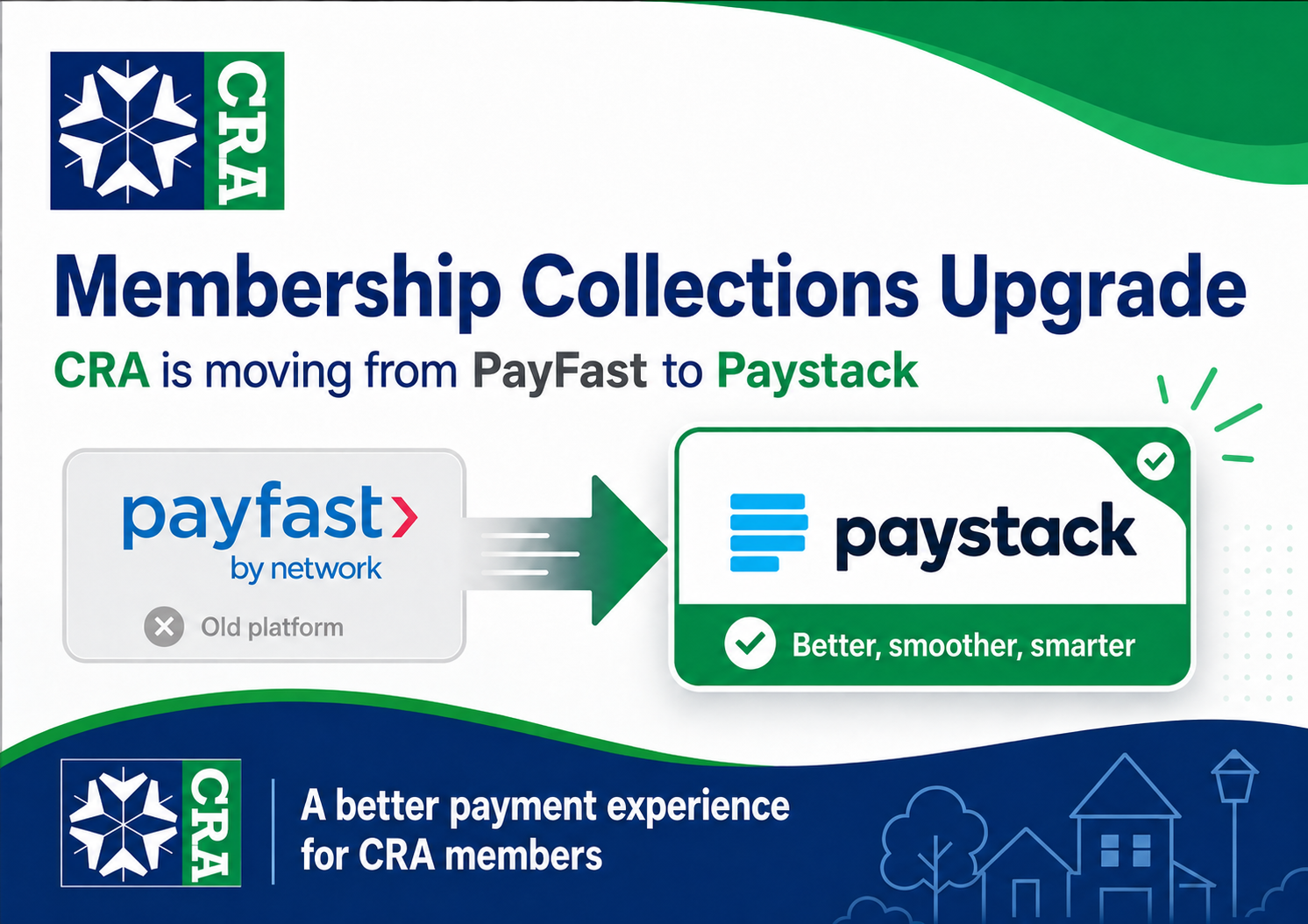
CRA has officially moved across to PayStack, a more stable, transparent and user-friendly payment platform for CRA membership collections. This has taken a lot of administrative work, but it is important for CRA’s long-term sustainability.
If you have not yet moved across to PayStack, you are likely still on PayFast.
The process is simple: send us a message, and we will cancel your PayFast membership immediately. You can then sign up again on PayStack.
Join or move across here: https://cra.org.za/join/
PayStack is much easier for CRA to manage. It is clearer, more transparent and more reliable. It also helps us avoid the problem of memberships quietly lapsing without residents realising. This matters. Last year, CRA lost a meaningful amount of membership income because memberships lapsed or failed. The work did not stop, but the resources available to fund that work reduced.
Resident contributions fund real work: town-planning oversight, professional input, public participation, website systems, community communication, service-delivery escalation, clean-up coordination, civic advocacy and the practical running costs of an active residents’ association.
CRA is run by volunteers, but the work is not cost-free.
For help moving from PayFast to PayStack, please contact: admin@cra.org.za
Individual membership is only R100 per month. Pensioner and complex membership is R50 per month.
That is roughly the price of a cappuccino and a little extra each month, but collectively it gives CRA the capacity to do meaningful work for the suburb.
Please move across to PayStack and help keep CRA sustainable.
Show Up, Vote, and Support the Work
May’s Ward 90 civic engagement was a useful reminder that residents cannot be passive about the future of Johannesburg.
The next Local Government Elections will take place on Wednesday, 4 November 2026. That date matters.
Local government is where many of the issues in this newsletter are either solved, ignored or allowed to deteriorate: water, sewerage, roads, stormwater, parks, streetlights, by-law enforcement, land-use management, safety coordination and public-space maintenance.
The voter-turnout statistics from the 2021 Local Government Elections were shocking. Only about 45% of registered voters turned out nationally.
That should concern every resident. If we do not show up, we make it easier for poor governance to continue. If we do not vote, it becomes much harder to complain credibly about the condition of the City afterwards.
CRA is non-partisan. We do not tell residents who to vote for. But we do say this clearly: Please check your registration, make sure you are in the correct ward, and vote on 4 November 2026.
And in the meantime, please support the civic work that happens between elections.
Voting matters, but voting once every five years is not enough. Suburbs are protected by what residents do every month: reporting faults, participating in planning processes, supporting public spaces, joining clean-ups, attending meetings, asking questions, and funding the organisations that keep pressure organised.
That is why CRA membership matters. If you value living in a suburb that is still cared for, still organised, still green, still active and still willing to push back against decline, please become a paid member.
Join here: https://cra.org.za/join/
Good suburbs do not stay good by accident. They stay good because residents vote, participate, contribute and refuse to let decline become normal.
Thank you to every resident who reports faults, sends photographs, contributes information, participates in objections, supports CRA financially, volunteers time, attends community events, plants public spaces, joins clean-ups, or simply takes pride in keeping their part of the suburb well maintained.